Small Daily Choices, Big Life Changes

My neighbor Rafael lost around 15 pounds last year. When I finally asked him what he did for his health and wellness— half expecting some app or plan I hadn’t heard of — he just shrugged and said, “I started walking after dinner instead of watching TV.” That was it. No supplement, no six-week program. Just a walk, every night, for months.
I remember feeling a little let down by the answer. I wanted a secret. There wasn’t one. That’s honestly the annoying part about health. It’s rarely one big thing. It’s a pile of small, boring choices repeated so many times they stop even feeling like choices.
Four areas seem to matter most — your head, your food, how much you move, how well you sleep — and they’re way more tangled together than most articles let on. Fix your sleep, and suddenly the junk food cravings ease up a bit. Start walking and your mood lifts without you really trying. It’s messier than four neat categories, but let’s go through them anyway.
Mental Health

We used to treat mental health & wellness like a smoke alarm — something you ignore until it’s already going off. You didn’t bring it up unless you were falling apart, and even then, maybe not. That’s shifting, slowly. But a lot of people I know still only think about their mental state once it’s already become a problem.
Here’s the thing though — your brain doesn’t wait for a crisis to start affecting the rest of your daily health & wellness. Stress that’s just quietly humming in the background messes with digestion, sleep, and how often you catch a cold. Ignoring it until it’s a full-blown issue is kind of like ignoring a slow leak in your tire until you’re stranded on the highway.
So what actually helps? Nothing fancy, honestly.
Say the thing out loud. Whatever’s bugging you — a deadline, a fight with your brother, money stress — tends to grow and impact your health & wellness if it just sits in your head unspoken. I’ve noticed that the moment I text a friend about something bothering me, it shrinks a little. Not fixed, necessarily. Just smaller, somehow. There’s something almost physical about getting it out of your skull and into the air.
Boundaries feel rude the first few times you set them, but they are essential for your health & wellness. Not answering a work email at 9 pm. Skipping a hangout you’re dreading. Muting a group chat that stresses you out more than it entertains you. None of that is selfish, even though it feels that way at first. People who protect their time actually end up with more patience to give when it counts.
And you don’t need to sit cross-legged for twenty minutes to get anything out of “mindfulness” — half the people I know who say they meditate really just mean they drank their coffee without checking their phone first. That counts. A few unrushed minutes at the start of the day change the tone of everything that follows.
Movement helps too, more than people expect for daily health & wellness — I’ll get into that more below, but it’s worth mentioning twice. A short walk shifts a bad mood faster than almost anything else I’ve personally tried.
One more thing, and I want to say this plainly: if stress or low mood start actually stopping you from functioning — getting out of bed, doing your job, showing up for the people in your life — talk to an actual professional. Not as some last resort you save for when everything’s collapsed. Just as one more tool, same as the rest of this list.
Diet
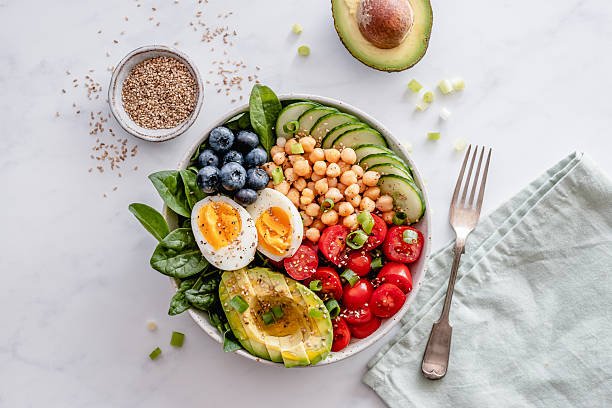
Diet culture wrecked food for a lot of people, myself included for a rough stretch in my mid-twenties. Eating became math — calories in, calories out, guilt if the numbers didn’t line up right. That’s not genuine health&wellness. That’s just stress with a nutrition label on it.
Try this question instead of “will this make me fat”: will this food make me feel decent in two hours, or am I going to crash? A donut feels great for maybe ten minutes and then leaves you foggy by 11 am. Eggs and toast with some fruit hold you steady for hours. That’s basically the whole health & wellness game — paying attention to how food makes you actually feel, not moralizing over it like it’s a test you can pass or fail.
A handful of things that hold up, at least in my experience and from watching people around me:
Most of your plate, most days, should be stuff that hasn’t been through a factory line — vegetables, fruit, beans, whole grains, some protein. Not because processed food is some kind of villain. Just because your body tends to run better on the other stuff.
Skipping meals to “save calories” almost always backfires. You end up starving by 6 pm, eat too fast, too much, and feel groggy the next morning anyway. Regular meals keep your energy — and your mood, honestly — a lot steadier than skipping around ever does.
Cutting out whole food groups rarely sticks long-term. I watched a friend swear off carbs completely for a month, then eat almost an entire loaf of bread in one sitting out of sheer deprivation. All-or-nothing rules tend to collapse under their own weight eventually. Moderation is boring advice. It’s boring because it actually works, which most exciting advice doesn’t.
Drink more water than you think you need. Half the time that afternoon hunger is really just thirst wearing a disguise. Sounds too simple to matter. It matters anyway.
Cook at home when you can, even just a few nights a week. You control the salt, the oil, the sugar — and once you’re decent at four or five basic meals, it’s honestly less effort than ordering out and waiting forty minutes for delivery that shows up cold.
None of this needs to be perfect, and I mean that. One bad dinner doesn’t undo a solid week. One salad doesn’t undo three months of takeout either. It’s the pattern over time that actually matters, not any single meal you eat on a random Tuesday.
Fitness at Home
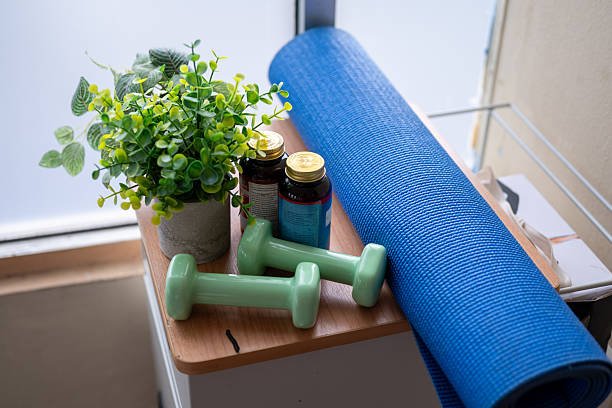
You don’t need a gym membership for effective health & wellness. Saying that outright because so much fitness marketing implies you’re stuck without machines or a trainer standing over you. You’re not. Some of the most brutal workouts I’ve ever done happened on my bedroom floor with nothing but body weight and mild stubbornness.
The real obstacle at home usually isn’t knowledge — everyone already knows push-ups exist. It’s motivation. Nobody’s waiting for you at a class, so the whole routine can quietly disappear from your week without anyone noticing but you. The fix isn’t more willpower. It’s making the routine simple enough that skipping it actually takes more effort than just doing it.
A few things that hold up over time, as far as I can tell:
Push-ups, squats, lunges, planks — these aren’t “beginner” moves you eventually graduate from. Done properly, twenty minutes of just these can deliver great physical health & wellness results, you just as wrecked as an hour on machines at a gym. Equipment helps. It’s not required.
Showing up regularly beats going hard occasionally, pretty much every time. Twenty minutes four times a week beats one brutal ninety-minute session done once a month. Your body responds to patterns, not to the occasional heroic effort.
Not everything needs to look like “exercise” to actually count. Dancing around while you cook dinner, taking the stairs instead of the elevator, chasing a dog around the backyard — it adds up more than people give it credit for.
Set up a small corner and just leave it ready. A mat, maybe a resistance band, nothing fancy. Removing the setup step matters more than you’d expect — fewer decisions before you start means you’re actually more likely to start at all.
Track something, even loosely. Reps, minutes, how long you held that plank before your arms gave out and you collapsed onto the floor laughing at yourself. It builds a sense of progress that just “feeling it” doesn’t quite give you.
And if gyms make you self-conscious — a lot of people do feel that way, even if nobody admits it out loud — that alone is reason enough to work out at home instead. People quit less because the workout was too hard and more because they felt watched the entire time. Your living room doesn’t care what you look like doing a lunge.
Sleep
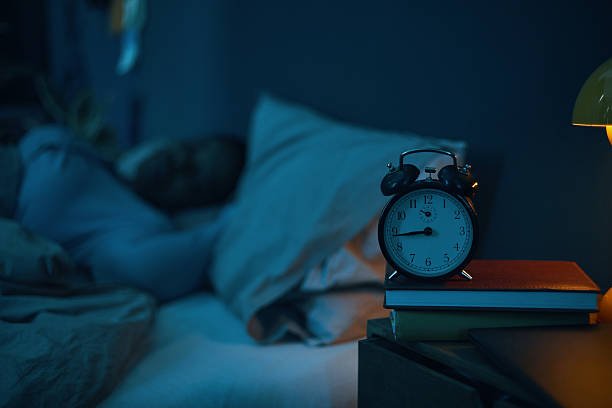
If mental health is the foundation, sleep’s probably the load-bearing wall holding the rest of the house up. Bad sleep doesn’t just make you groggy the next day — it throws your hormones off, weakens your immune system, and makes it genuinely harder to keep your emotions in check. Chronic sleep deprivation gets linked to almost everything eventually, from weight gain to heart problems to depression.
And it’s usually the first thing to go the moment life gets busy. “Just one more episode.” “Just finishing this one email.” Feels harmless in the moment. It rarely actually is.
What seems to help, at least based on what’s worked for people I know:
Go to bed and get up around the same time, weekends included, even though that sounds miserable. Your body’s internal clock cares more about consistency than it does about an extra hour of sleeping in on a Saturday. Irregular schedules often leave people more tired than steady ones, even when the total hours logged are identical.
Give yourself an actual wind-down period before bed. Going straight from a bright phone screen to trying to fall asleep is a rough transition for your brain to make. Half an hour of something calm — reading, stretching, just sitting there doing basically nothing — tells your body it’s actually time to slow down.
Dim the screens in the evening, or just put them away entirely if you can manage it. Blue light messes with melatonin, which is the hormone that actually makes you feel sleepy in the first place.
Watch your caffeine timing more than you probably do right now. It sticks around in your system longer than most people assume — that 3 pm coffee might still be affecting you at 11 pm, even if you don’t feel wired anymore by then.
Keep the bedroom mostly for sleeping. Cool, dark, quiet, not the place where you’re answering emails or scrolling for an hour before you finally put the phone down. Your brain starts linking the room to whatever you actually do in it, for better or worse.
None of this is dramatic, and that’s kind of the point. Most people notice a real difference just from a tighter bedtime and less late-night screen time. No supplements, no gadgets, nothing you need to buy.
So Where Does That Leave You
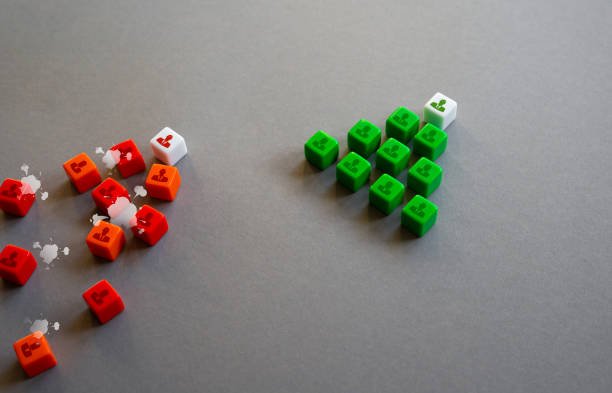
These four things were never really separate boxes to begin with. Bad sleep makes eating well harder because tired bodies crave sugar just to keep functioning. Skipping exercise drags your mood down more than people expect.
Constant stress messes with both your appetite and your sleep at the same time. Fix one, and the others tend to loosen up a little on their own, almost without you doing anything extra.
You don’t need to fix all four at once. Honestly, trying to would probably backfire, and you’d burn out on all of it within a week. Pick one small thing instead. Go to bed twenty minutes earlier tonight. Take a walk after dinner, as Rafael did without even calling it a plan. Cook one meal at home this week instead of ordering in again.
Wellness was never really a finish line to cross. It’s just the stuff you keep choosing, more days than not, for a long time — probably longer than you’d like, if I’m being honest.
Summary
Real health change rarely comes from one big overhaul — it’s built from small habits repeated over time, across four areas that quietly affect each other. Mentally, don’t wait until you’re falling apart; talk things out, set boundaries, and get some daily movement in.
With food, skip the guilt and rigid rules — just notice whether a meal leaves you energized or crashing, and cook at home when you can.
You don’t need a gym either; bodyweight moves done consistently beat occasional intense sessions every time. And sleep might matter most of all — a steady bedtime, less late-night screen time, and a bedroom used mainly for rest go further than people expect.
Pick one small change and start there. That’s really it.